

C as in Collagen

What is Collagen?
Collagen is the most abundant protein in the human body. Naturally synthesized in the dermis, it is essential for the body's functioning. It is primarily found in bones, joints, and cartilage. Collagen also contributes to the skin's suppleness and elasticity.
Collagen is a "fibrous" protein, meaning it comes in the form of filaments.
Age and external factors such as stress, tobacco consumption, or diet are responsible for the decrease in collagen production. Results: joint pain, fragility in nails and hair, and thinning of the skin leading to wrinkles and fine lines.
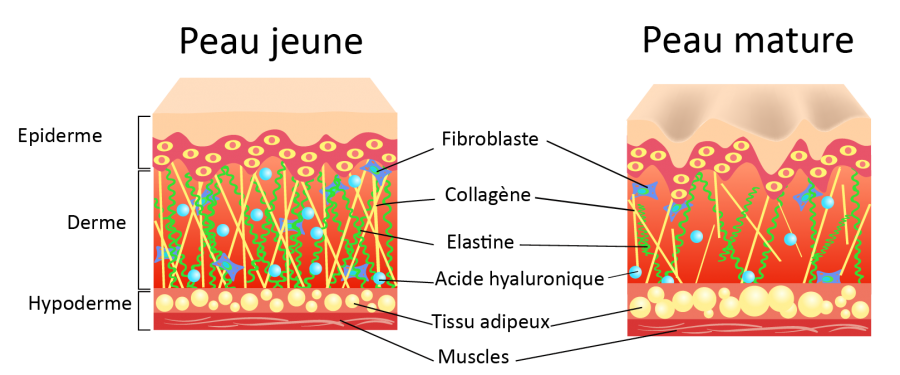
How Collagen Works
Collagen is responsible for the skin's elasticity and resistance. It allows connective tissues to maintain good structure and solidity. Collagen also has a moisturizing effect because it has the property of retaining water in tissues.
Benefits of Collagen
The role of Collagen is to make tissues resistant.
In the skin, collagen will play a supportive role, allowing it to regain its firmness and elasticity. Its anti-aging properties help combat skin aging and limit the appearance of wrinkles and fine lines.
Collagen also has an effect on joint flexibility and can treat certain conditions such as arthritis, osteoarthritis, and joint pain.
Sources of Collagen
In our diet, certain foods are sources of collagen.
Marine collagen
It is mainly obtained from the skin, scales, or bones of fish*.
Very similar to human collagen, marine collagen peptide is the best source of collagen for the body.
* Some brands of marine collagen-based food supplements use crustacean carcasses. French Filler food supplements do not contain these and are derived from controlled fishing to know the exact origin of the fish skins used for the food supplement.
Animal collagen
Collagen of animal origin (bovine, porcine, or avian) also comes from the skin and bones of these animals, subjected to complex transformation processes. It is less qualitative than marine collagen because it loses its benefits during the transformation process, but it is less expensive.


